Choosing and Using Teethers Safely
Which teethers are safest, how to chill one without freezing it, how to keep it clean, and common mistakes to avoid so it soothes sore gums safely.
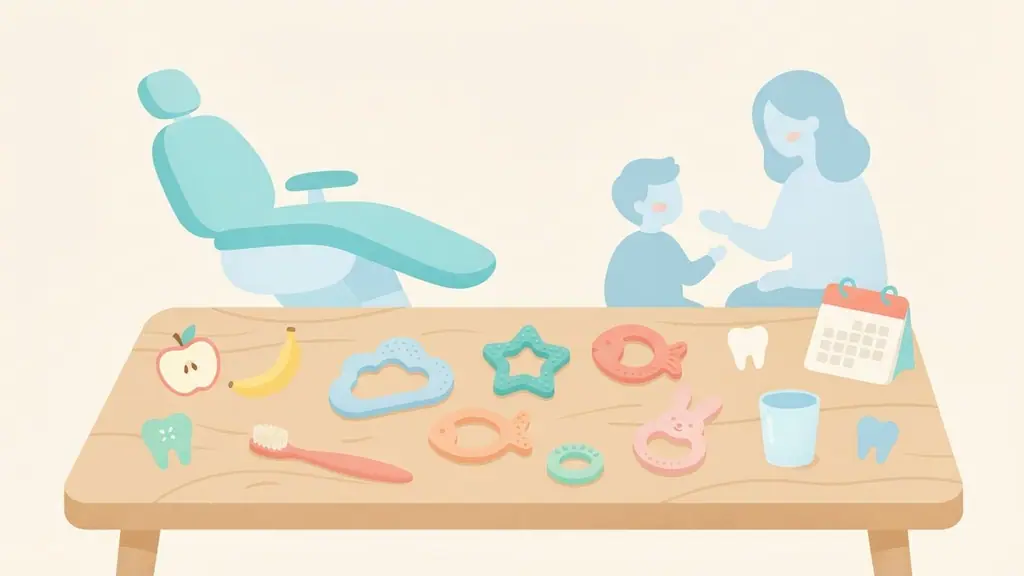
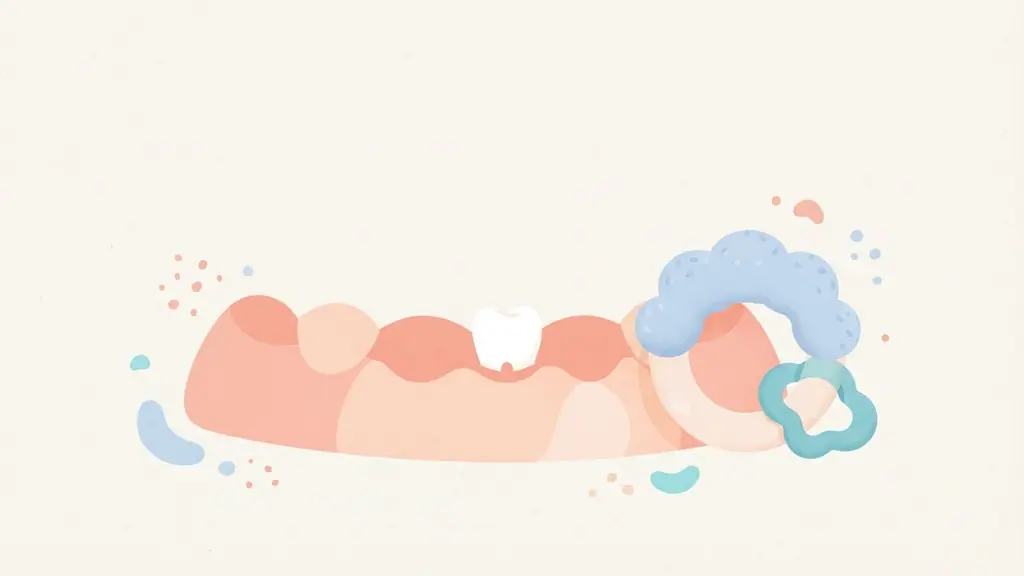
A good teether is one of the simplest and most effective ways to help a teething baby. Biting puts gentle pressure on the gums, and that pressure, together with a little coolness, eases discomfort for many babies. It also gives them something safe to mouth at a stage when they explore everything with their mouths.
Not all teethers are equal, though, and some very common habits (freezing them, hanging them around the neck, coating them with something sweet) aren't a good idea. Advice from the US Food and Drug Administration (FDA), the American Academy of Pediatrics (AAP) and the NHS comes down to a few clear rules, summarized here.
Types of teethers
| Type | Pros | Cautions |
|---|---|---|
| Solid rubber or silicone | Firm, easy to clean, can be chilled in the fridge | Check regularly for cracks or parts that could come off |
| Liquid- or gel-filled | Chills quickly | Can split and leak; the FDA and AAP advise avoiding them |
| Cool, damp washcloth | Cheap, molds to the mouth | Only with an adult right there; wash after each use |
| Mesh or silicone feeders for fruit | Let babies try cold flavors | Only once solids have started, always supervised; check the mesh is intact |
| Teething necklaces, bracelets or anklets | None proven | Strangulation and choking risk: not recommended |
The option health organizations recommend most is the first one: a firm, solid rubber or silicone teether with no liquid inside.
Safety checklist before you buy or offer one
- One piece, or parts that can't come apart. No beads, loose bells or glued-on decorations.
- No liquid filling. If it's punctured, the contents can end up in your baby's mouth.
- The right size. Big enough that it can't fit entirely in the mouth or cause choking, and light enough for your baby to hold.
- Firm but not rock-hard. It should give a little when you squeeze it.
- Easy to clean, with no crevices where dirt builds up.
- No cords, chains or long ribbons attaching it to your baby's neck or clothes.
- Meets the toy-safety rules where you live, bought from a reputable retailer.
Keep two or three teethers on rotation: one chilling in the fridge, one in use and one being washed.
Cool, not frozen
Cold gently numbs the gums and feels pleasant. But a teether straight from the freezer can be hard and cold enough to hurt delicate gums. The FDA says teethers shouldn't be frozen, and the NHS says never to put a teething ring in the freezer. Chill it in the fridge instead, and follow any instructions on the packaging about how long to chill it.
If you're using a washcloth, wet it, wring it out well, tie a knot in it and leave it in the fridge for a while. Offer it while you're with your baby and take it away when they've finished.
How to use a teether, step by step
- Wash your hands and check the teether is clean and undamaged.
- Chill it in the fridge if you like, never in the freezer.
- Offer it when you notice signs of teething: drooling, a swollen gum, an urge to bite.
- Stay close. A teether is not a substitute for supervision, especially with young babies.
- Remove it at sleep time. The crib should be clear of loose objects.
- Wash it after use with warm, soapy water and rinse well, or as the manufacturer recommends.
- Inspect it often. Replace it if it has cracks, deep bite marks or has lost its shape.
Common mistakes to avoid
- Hanging it around the neck on a cord, chain or necklace. The NHS is clear that a teether should never be tied around a baby's neck.
- Coating it with honey, sugar, jam or syrup. This encourages tooth decay from the very first tooth, and honey isn't safe for babies under 12 months.
- Using hard foods as teethers, such as chunks of raw carrot, which can break off and cause choking.
- Sugary teething biscuits or rusks. The NHS suggests avoiding rusks because of their sugar. Any food you offer should be part of normal meals, not continuous snacking.
- Leaving it in the crib or stroller while your baby sleeps.
- Using objects not designed for babies, such as keys, remote controls or toys with batteries.
What about fruit feeders and cold foods?
Mesh or perforated silicone feeders let babies suck on cold fruit without swallowing large pieces. They can be handy once your baby has started solids, as long as you supervise and check the mesh is intact. Remember that fruit contains natural sugars, so it's better not to let your baby suck on it for long periods, and any teeth that have come through should be brushed at night.
Chilled plain yogurt or a cold homemade purée can also be soothing on harder days.
Teethers and oral health
A clean teether won't harm teeth, but it can carry germs if it falls on the floor or passes between siblings. Wash it when it's dropped, and avoid "cleaning" it in your own mouth: the AAP notes that decay-causing bacteria can pass from mouth to mouth.
Use teething time to look in your baby's mouth now and then, too. Gently lifting the top lip to check the front teeth helps you spot chalky white patches early, which can be the first sign of decay.
If your baby already has teeth, pair the teether with a good cleaning routine. Our oral hygiene guide by age covers what to do at each stage, and how to clean your baby's gums explains how to start even before the first tooth.
When a teether isn't enough
Teethers ease the usual discomfort of teething, but they can't fix everything. Talk to your pediatrician or GP if:
- Your baby has a fever, diarrhea or seems unwell; these aren't caused by teething.
- They cry inconsolably or refuse to eat and drink.
- You see very swollen gums, pus or heavy bleeding.
- You're wondering whether to use an infant pain reliever.
For other measures that help, and the products best avoided, read understanding teething and our article on amber necklaces and teething gels.
Quick summary
- Choose a solid, one-piece rubber or silicone teether with no liquid inside.
- Chill it in the fridge, never the freezer.
- Don't hang it around the neck or coat it with anything sweet.
- Always supervise, and remove it at sleep time.
- Wash it often and replace it if it's damaged.
- Skip teething necklaces, bracelets and anklets.
Sources and further reading
- Safely Soothing Teething Pain in Infants and Children, U.S. Food and Drug Administration
- Teething Pain: How to Help Your Baby, American Academy of Pediatrics (HealthyChildren.org)
- Tips for helping your teething baby, NHS
- How to Prevent Tooth Decay in Your Baby, American Academy of Pediatrics (HealthyChildren.org)