Understanding Teething: Signs and Safe Relief
Which teething signs are normal, which aren't caused by teeth, and how to soothe sore gums safely, plus what to avoid and when to call your pediatrician or GP.
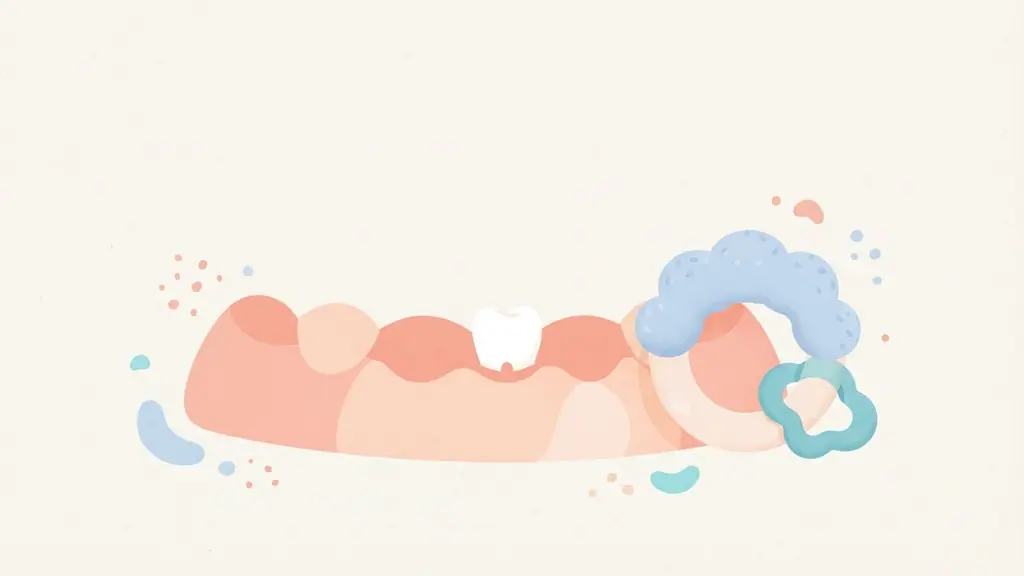
Teething is the process of baby teeth pushing up through the gums. Most parents notice it through what comes with it: more drool, an urge to chew everything, puffy gums and a baby who's a little more unsettled than usual. The discomfort is real, but for most babies it's mild and passes within a few days for each tooth.
The reassuring part is that simple measures usually work: something firm and cool to chew on, a gentle gum rub with a clean finger, and plenty of comfort. Knowing what to avoid matters just as much. Numbing gels with benzocaine or lidocaine, amber teething necklaces and many home remedies can cause more problems than they solve.
This guide explains what's normal, what isn't, and how to help your baby through it.
When teething starts and how long it lasts
Most babies get their first tooth at around 6 months, but the normal range is wide. The NHS notes that some babies start before 4 months and others after 12 months, and both can be perfectly normal. The first teeth are usually the lower front ones (central incisors), and most children have all 20 baby teeth by about age 2 to 3.
Teething isn't one long episode. It comes in waves, with weeks or months of calm in between, and each tooth or pair of teeth may bring a few uncomfortable days. To see the usual order and ages, try our baby teeth eruption timeline or read when babies get their first teeth.
Normal signs, and what teething doesn't cause
The main pediatric organizations agree on a fairly short list of signs linked to teething:
| Common with teething | Not caused by teething |
|---|---|
| Red or swollen gum where a tooth is coming through | Fever of 100.4°F (38°C) or higher |
| More drool, sometimes with a rash on the chin | Diarrhea or vomiting |
| Chewing on fingers, toys and anything in reach | A widespread rash |
| Being fussier or crying more than usual | Being floppy, very drowsy or refusing all fluids |
| A few nights of restless sleep | Cough, runny nose or ear infection |
| Eating less for a day or two, especially solids | Crying that can't be soothed for hours |
The NHS mentions that a slightly raised temperature, below 38°C, can occur. The American Academy of Pediatrics (AAP) goes further and says teething doesn't cause fever at all. Both agree on the practical point: if your baby has a fever, diarrhea or seems unwell, the cause is probably something else, such as a viral infection, and they should be checked. Putting everything down to teeth is one of the most common teething mistakes.
How to soothe sore gums, step by step
There's no magic cure, but a combination of safe measures helps most babies. Try them roughly in this order:
- Rub the gums. Wash your hands well, then gently rub the sore area with a clean fingertip for a minute or two. Many babies find the pressure soothing.
- Offer a firm, cool teether. Choose a solid rubber or silicone teether with no liquid inside. You can chill it in the fridge, but not the freezer: something frozen hard can hurt tender gums. Our guide to choosing and using teethers safely has more detail.
- Try a cool, damp washcloth. Wet a clean cloth, wring it out, tie a knot in it and chill it in the fridge. Stay with your baby while they chew it.
- Cold, soft foods, if they're eating solids. Plain yogurt or chilled fruit purée may feel good. Avoid hard pieces that could cause choking. The NHS suggests avoiding rusks and teething biscuits that contain sugar.
- Wipe away drool often. Gently patting the chin and neck dry helps prevent a drool rash.
- Comfort and distraction. Cuddles, walks, a change of scene and quiet play help more than you might expect.
Pain relievers: If discomfort is really disturbing your baby's sleep or feeding, ask your pediatrician, GP or pharmacist about an infant pain reliever. In the UK, the NHS says paracetamol is suitable from 2 months and ibuprofen from 3 months. In the US, acetaminophen is the usual option for young babies, and ibuprofen is generally not given before 6 months. Always check the dose for your baby's weight and age, and never give aspirin to children.
What to avoid
Some popular remedies have no proven benefit and known risks:
- Gels and creams with benzocaine or lidocaine. The US Food and Drug Administration (FDA) warns that benzocaine products shouldn't be used for teething in children under 2 because of the risk of methemoglobinemia, a rare but serious condition that reduces the amount of oxygen the blood can carry. Gels also wash away with saliva within minutes. Prescription viscous lidocaine shouldn't be used for teething either.
- Teething necklaces, bracelets and anklets made of amber, wood, silicone or anything else. They carry a risk of strangulation and of choking if beads come loose, and there's no evidence they relieve pain. We explain the details in amber necklaces and teething gels.
- Homeopathic teething tablets or gels, which the FDA lists among products with little or no benefit and potential risks. The NHS also says homeopathic products are not recommended for teething.
- Rubbing alcohol, spirits or aspirin on the gums, or trying to "open" the gum with a fingernail or object.
- Dipping a teether or pacifier (dummy) in honey, sugar or syrup. It encourages tooth decay, and honey shouldn't be given to babies under 12 months.
- Tying a teether around your baby's neck with a cord or chain.
Rules differ by country. In the UK, pharmacies sell some teething gels made specifically for young children. The NHS says there's a lack of evidence that teething gels work and suggests trying a teething ring or simple pain relief first; if you do use a gel, choose one designed for babies, not an adult mouth-ulcer gel. Wherever you live, read the ingredients and ask a pharmacist or doctor before putting anything in your baby's mouth.
Teething and toothbrushing: start with the first tooth
Sore gums are not a reason to put off cleaning. As soon as the first tooth appears, brush it twice a day, especially at bedtime, with a soft baby toothbrush and a tiny smear of fluoride toothpaste (about the size of a grain of rice). On a day when your baby's gums are very sore, be extra gentle, but try not to skip the bedtime brush.
Our article on when to start brushing your child's teeth explains toothpaste amounts by age and why they vary a little between the US, the UK and Europe.
Nights, feeding and other worries
Some babies sleep worse while a tooth is coming through. A few disturbed nights are to be expected; weeks of poor sleep usually have other causes worth looking into. Keeping your usual routine (bath, story, dim lights) is reassuring, and a gentle gum rub before bed can help.
It's also common for babies to eat fewer solids for a day or two, or to seem uncomfortable at the start of a feed. If your breastfed baby bites, calmly slip a finger into the corner of their mouth to break the suction, take them off the breast, and offer a teether afterwards. What matters most is that your baby keeps drinking and has the usual number of wet diapers.
When to call your pediatrician or GP
Get medical advice if your baby:
- Has a fever, diarrhea or vomiting, or seems unwell
- Cries inconsolably, or the discomfort doesn't ease with the usual measures
- Refuses fluids or has fewer wet diapers than normal
- Has very swollen gums, pus, or a lump that grows or bleeds a lot
- Has reached their first birthday without any teeth and you'd like it checked (it's usually a normal variation)
And ask before using any pain reliever or mouth product if you're unsure. The first dental visit is recommended by the first birthday or within six months of the first tooth; our first dental visit checklist helps you prepare.
In a nutshell
- Teething causes mild, short-lived discomfort: drooling, chewing, sore gums and fussiness.
- It doesn't cause a real fever or diarrhea; if those appear, get advice.
- What helps most: a gum rub, a firm teether chilled in the fridge, and lots of comfort.
- Avoid benzocaine or lidocaine gels in under-2s, teething jewelry, homeopathic remedies and sweetened pacifiers.
- Clean each tooth from day one, twice a day, with a tiny amount of fluoride toothpaste.
Sources and further reading
- Teething Pain: How to Help Your Baby, American Academy of Pediatrics (HealthyChildren.org)
- Baby teething symptoms, NHS
- Tips for helping your teething baby, NHS
- Safely Soothing Teething Pain in Infants and Children, U.S. Food and Drug Administration
- Eruption Charts, American Dental Association (MouthHealthy)